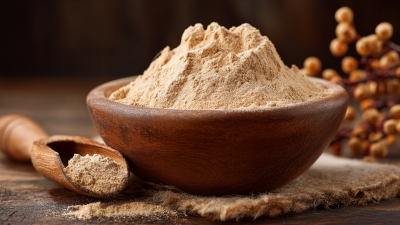
+852 54195003



- Home
- Products
- About US
- FAQ
- News
- Tips
- Contact Us
Leave Your Message
-
Phone
-
E-mail
-
WhatsApp
-
WA Business

Choosing the Best Maca Powder Manufacturer in China for Bulk Buyers takes more than comparing prices. Reliable sourcing begins with clear product specifications and evidence that each batch matches them. Ask whether the manufacturer handles processing directly or works with another facility. That distinction can affect traceability, communication, and lead times.
Maca Powder may differ in color, aroma, texture, and measured composition. These differences can reflect raw material and processing choices, so buyers should define their requirements before requesting quotes. Check the botanical identity, country of origin, processing method, and available batch records. Request recent test reports covering relevant microbiological risks and heavy metals. Confirm that the documents identify the tested product and batch. A polished certificate alone proves little.
This guide outlines practical checks for evaluating Chinese manufacturers. Ask about minimum order quantities, sample availability, packaging options, production capacity, and realistic delivery schedules. Clarify whether specifications can be maintained across repeat orders. Packaging matters: a large bag may be efficient, but it still needs suitable food-grade material and protection from moisture. Requirements can also vary by destination, so verify applicable food and labeling rules with qualified local professionals.
Small details count. A supplier’s response to a specific question can reveal how carefully it manages routine orders. Request a sample and compare its aroma, color, and texture with your written specification. Then review the supporting records. That sounds tidy. It rarely is. Samples may not represent every future batch, and paperwork can leave gaps. Treat both as useful evidence, not guarantees. The goal is a supplier relationship built on transparent records, consistent communication, and expectations you can verify.
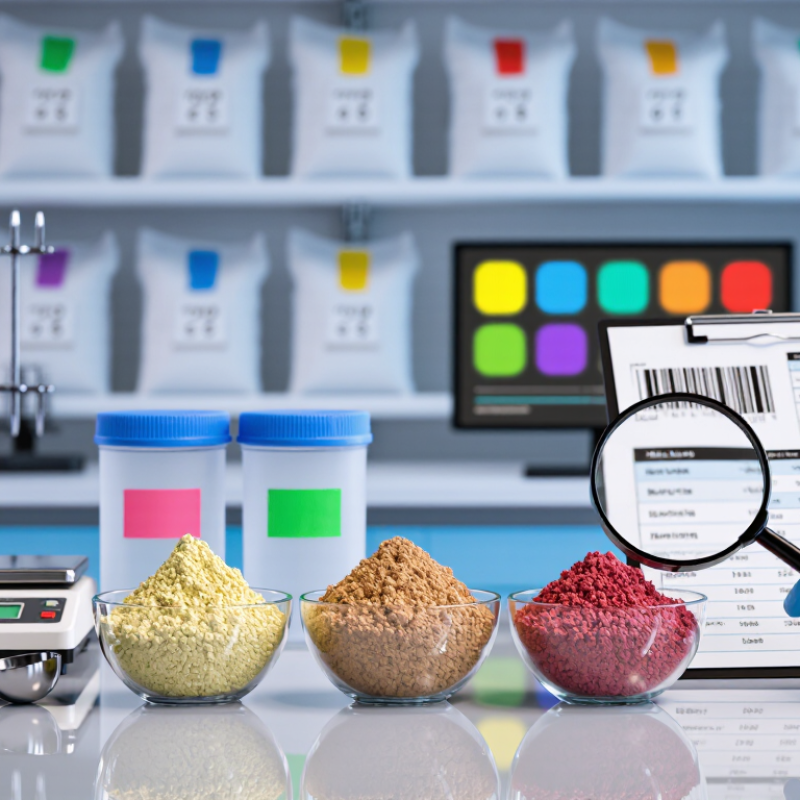
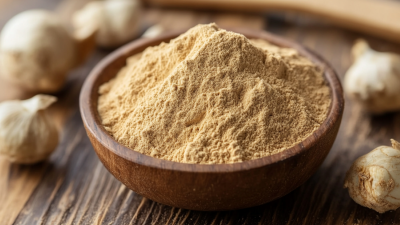
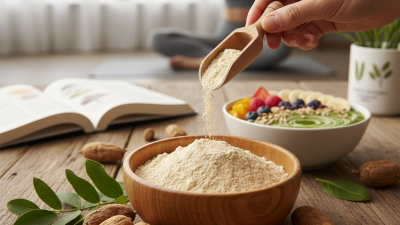
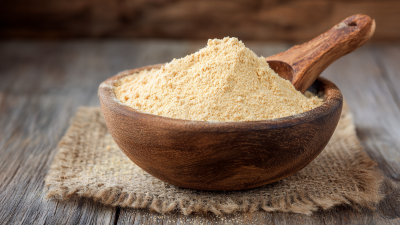
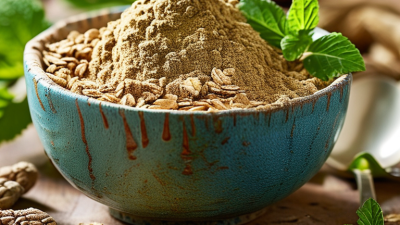
Maca powder is made from dried maca root that has been milled into a fine ingredient. Its color, aroma, and texture can vary with the root, drying method, and grind size. A pale shade alone does not prove better quality. Bulk buyers should define the intended use before requesting samples. A drink mix may need a finer powder than a capsule blend. Simple details matter.
The bulk market involves more than comparing prices per kilogram. Buyers should request a specification sheet covering identity, moisture, particle size, and microbiological testing. Ask for batch-level documents and check that certificates match the product and facility. Packaging also deserves attention: sealed, food-grade liners can help protect powder during storage and transport. A low quote may leave important costs unclear. That deserves a closer look.
Tips: Compare samples against agreed specifications, not just appearance. Confirm minimum order quantity, lead time, and storage guidance in writing. Requirements differ by application, so avoid assuming one grade fits every order. Even a tidy specification sheet cannot replace checking the actual batch.
| Data Dimension | Maca Powder Information | Bulk-Buyer Considerations |
|---|---|---|
| Botanical identity | Maca is Lepidium meyenii, a plant in the mustard family. The commercial ingredient is made from its underground storage organ, commonly described as a root or hypocotyl. | Request the botanical name, ingredient identity, and a batch-specific certificate of analysis (COA). Confirm that the product is maca alone if a single-ingredient powder is required. |
| Origin and manufacturing | Maca is native to the central Andes of Peru. A product processed in China should not automatically be described as maca grown in China. | Ask for separate documentation of crop-growing origin, processing location, and supply-chain traceability. Check whether the origin stated on product documents matches the intended label and import requirements. |
| Common powder forms | Raw maca powder is made by drying and milling the root. Gelatinized maca is heat- and moisture-processed; “gelatinized” refers to processing and does not mean that animal gelatin is an ingredient. | Specify the form in the purchase specification. Compare processing method, ingredient composition, sensory properties, and intended use rather than relying on the product name alone. |
| Root colors | Yellow, red, and black maca are commonly described color types. Color categories refer to the roots used and do not, by themselves, establish a particular nutrient level or health effect. | State the requested color type, if relevant, and ask how it is identified and controlled. Do not treat color as a substitute for identity testing or a batch COA. |
| Product specifications | Specifications can cover botanical identity, moisture, appearance, odor, particle size, and ingredient composition. Values and test methods are not universal and should be agreed between buyer and supplier. | Approve a written specification before ordering. Confirm test methods, acceptance limits, sampling procedures, and how out-of-specification batches are handled. |
| Food-safety testing | Risk-based testing may include microbiological criteria, heavy metals, pesticide residues, and other contaminants relevant to the raw material and destination market. | Request recent, lot-linked laboratory results and identify the laboratory and test methods. Set testing requirements according to applicable regulations and the buyer’s risk assessment. |
| Certifications and controls | Food-safety management certifications and organic certifications are distinct: a facility certification does not by itself make a product organic. Certification scope and validity can vary. | Verify certificates with the issuing organization, including the covered site, product scope, and validity dates. Confirm that any organic claim meets the rules of the destination market. |
| Bulk packaging | Bulk powders are supplied in food-contact packaging selected for storage, transport, and the product’s protection needs. Packaging sizes and materials vary by supplier and order. | Confirm net weight, inner and outer packaging materials, sealing, lot coding, storage instructions, and whether samples are available in the proposed packaging format. |
| Shelf life and storage | Shelf life depends on the product, processing, packaging, and storage conditions; it should be supported by the supplier’s product documentation rather than assumed to be identical across products. | Request the assigned shelf life, production date, expiry or best-before date, and storage guidance. Agree on minimum remaining shelf life at delivery where needed. |
| Bulk-market factors | Bulk pricing and availability can depend on origin, harvest and supply conditions, processing, specification, order volume, packaging, testing, and shipping terms. | Compare quotations using the same specification, quantity basis, packaging, delivery terms, and documentation requirements. Confirm lead time, payment terms, and sample approval in writing. |
| Import and labeling | Import rules, permitted claims, ingredient naming, and labeling requirements depend on the destination market and product category. | Have the importer or regulatory adviser confirm requirements before production and shipment. Avoid unapproved medical or disease-treatment claims. |
Note: The information above is general procurement guidance. Product specifications, test limits, certifications, and regulatory obligations should be verified for each supplier, batch, and destination market.