How to Choose the Best Hair Loss Dietary Supplement for Your Needs?
Choosing the right Hair Loss Dietary Supplement can be challenging. Many products claim to promote hair growth and prevent loss. However, not all are created equal. The market is flooded with options, and discerning the most effective one requires careful consideration.
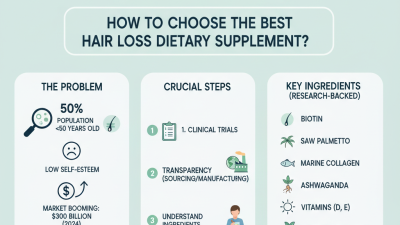
Look for supplements backed by scientific research. Ingredients like biotin, vitamins, and minerals play a crucial role in hair health. Understanding your specific needs is essential. Some may need a boost in nutrients, while others might seek herbal solutions.
Personal experiences can vary widely. What works for one person may not work for another. Therefore, it’s vital to consult experts. Dermatologists or nutritionists can guide you through choices that align with your health goals. Be cautious about claims that seem too good to be true. Reflect on your own hair loss journey as you explore potential supplements.
Understanding Hair Loss: Causes and Contributing Factors
Hair loss is often a complex issue, rooted in various causes. Genetics play a significant role in pattern baldness. Hormonal changes can trigger hair thinning. Stress is another common factor affecting hair health. Poor nutrition can exacerbate hair loss. A lack of vital nutrients may lead to weakened hair follicles.
Understanding these factors can help you choose the right dietary supplement. Look for formulas rich in vitamins and minerals. Supplements should include biotin, zinc, and iron. These nutrients are known to support hair growth.
**Tips:** Pay attention to your diet. Incorporate foods high in omega-3 fatty acids. Leafy greens are also beneficial. They provide essential vitamins. Hydration is crucial too. Drink plenty of water daily. Consider consulting a healthcare professional for personalized advice. They can guide you based on your specific needs.
Hair loss can be frustrating. It's not a one-size-fits-all issue. Individual experiences vary widely. Reflect on your lifestyle and routines. Making small adjustments might make a difference.
Key Nutrients for Hair Health: Essential Vitamins and Minerals
When choosing a dietary supplement for hair health, understanding key nutrients is essential. Certain vitamins and minerals play a vital role in promoting hair growth and preventing loss. Biotin, a B vitamin, is known for strengthening hair. A deficiency in biotin can lead to thinning hair. Zinc is another important mineral; it helps with tissue growth and repair. Without enough zinc, hair may become brittle.
Vitamin D is often overlooked, yet it is crucial for healthy hair follicles. Many people lack adequate sunlight exposure, which can affect their vitamin D levels. Iron is essential as well; it helps carry oxygen to hair follicles. Low iron levels may contribute to hair shedding.
While supplements can be beneficial, they aren’t a cure-all. The body needs a balanced diet for best results. Relying solely on supplements might not provide adequate nutrition. Regular check-ups and testing can help identify any nutrient deficiencies. Always consult with a healthcare professional to tailor a regimen based on individual needs.
How to Choose the Best Hair Loss Dietary Supplement for Your Needs? - Key Nutrients for Hair Health: Essential Vitamins and Minerals
| Nutrient |
Role in Hair Health |
Food Sources |
Recommended Daily Intake |
| Biotin |
Supports keratin production and improves hair strength |
Eggs, nuts, seeds, and salmon |
30 mcg |
| Vitamin D |
Stimulates hair follicle growth |
Sunlight, fatty fish, fortified dairy products |
600 IU |
| Zinc |
Helps with hair tissue growth and repair |
Meat, shellfish, legumes, seeds |
11 mg |
| Iron |
Essential for hair growth; prevents hair loss |
Red meat, spinach, lentils |
18 mg |
| Vitamin E |
Acts as an antioxidant; promotes scalp health |
Nuts, seeds, spinach |
15 mg |
Assessing Dietary Supplements: Types and Formulations Available
Choosing the right dietary supplement for hair loss involves understanding various formulations available on the market. Numerous types exist, including vitamins, minerals, and herbal extracts. According to a report by the International Journal of Trichology, ingredients such as biotin and zinc have shown promise in supporting hair health. Ingredients should be sourced from reputable suppliers, as quality can significantly impact effectiveness.
Most supplements target specific deficiencies. For instance, iron and vitamin D are crucial for those experiencing hair thinning. A review in the Nutrition Journal highlighted that around 50% of women suffer from low iron levels, which can contribute to hair loss. Recognizing personal health needs is vital. Consulting with healthcare professionals can provide insight into what deficiencies might exist.
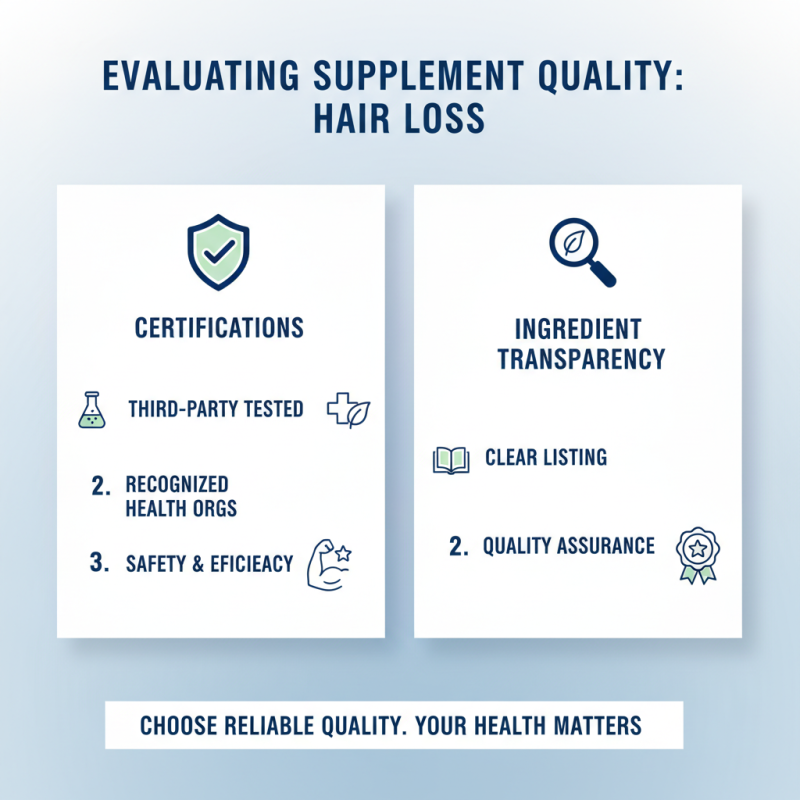
However, not all products may work as promised. Some may contain fillers or undisclosed ingredients that could be harmful. Transparency in labeling is crucial for consumer trust. Individuals must be aware of their own body's responses to supplements, as reactions can vary widely. This awareness can lead to a more tailored approach in selecting the right supplement.
Personalization: Tailoring Supplements to Individual Hair Loss Needs
When selecting a dietary supplement for hair loss, personalization is key. Each individual experiences hair loss differently. Factors like genetics, age, and lifestyle can all play a role. Since everyone’s hair needs vary, finding the right supplement might require a bit of trial and error.
For example, some people may benefit from supplements rich in biotin, while others might find their needs met with omega fatty acids. It’s important to consider your unique circumstances. Your diet, stress levels, and hormonal balance can all impact hair health. Keeping a journal could help track what works for you.
Consulting with a healthcare professional is also advisable. An expert can guide you in choosing the right ingredients. They can assess your individual needs and recommend suitable options. This tailored approach can lead to better results. Don't be afraid to change your supplement if you don't see progress. Hair health is a journey, and finding what suits you may take time.
 +852 54195003