Leave Your Message

What Are Hair Growth Gummies and How Do They Work?

Hair Growth Gummies have moved from beauty counters into mainstream wellness routines. Grand View Research reports continued expansion in the global hair supplements market, driven by interest in convenient, ingestible beauty products. However, market growth does not prove that every gummy works.

These chewable supplements commonly contain biotin, zinc, vitamin D, collagen, or botanical extracts. Their proposed role is simple: provide nutrients involved in normal hair-follicle function. Yet the body is not a vending machine. Taking more nutrients does not automatically produce thicker hair. The National Institutes of Health notes that biotin deficiency is rare, while evidence remains limited for hair growth benefits among people with adequate intake. The U.S. Food and Drug Administration also warns that high-dose biotin can interfere with certain laboratory tests.

Dermatologist Dr. Rajani Katta offers a useful caution: “There is no good evidence that biotin supplements improve hair growth in people with normal biotin levels.” That distinction matters. Hair shedding can reflect stress, thyroid disorders, iron deficiency, medication effects, or hereditary hair loss. A gummy cannot identify the cause.

Some users report stronger nails or less breakage after several months. Personal experience can feel convincing. It is still not controlled evidence. Even industry forecasts may overstate consumer expectations because product categories and reporting methods differ. A careful introduction to Hair Growth Gummies should therefore examine ingredients, dosages, absorption, safety, and clinical research—not just glossy claims. The real question is not whether gummies are popular. It is whether the formula addresses a documented need.
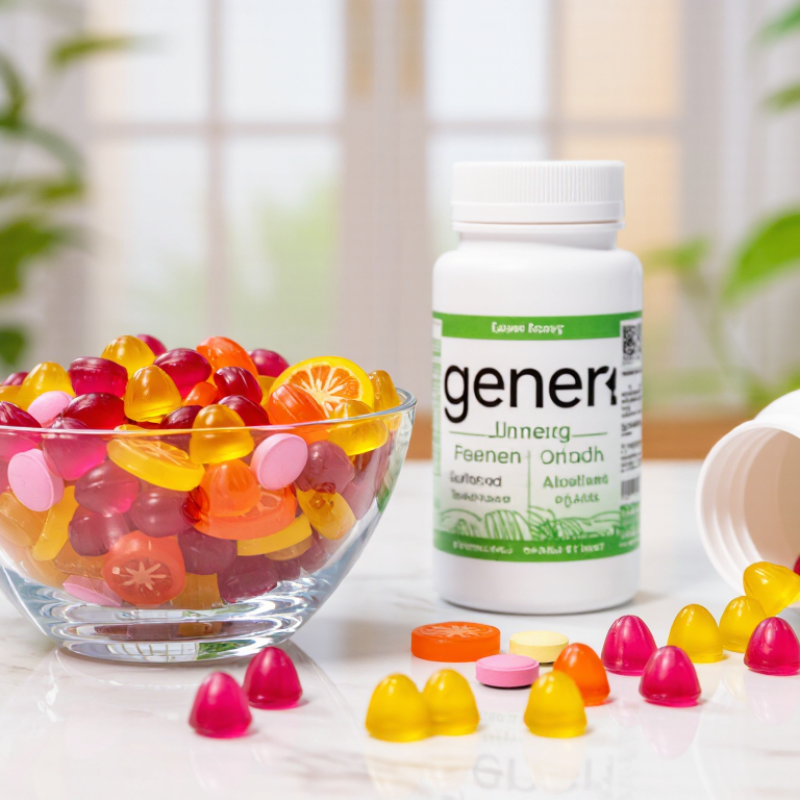
What Are Hair Growth Gummies and How Do They Work?

What Hair Growth Gummies Are

Hair growth gummies are chewable dietary supplements designed to support normal hair health. They usually contain vitamins, minerals, amino acids, or plant extracts. Unlike topical products, gummies are swallowed and absorbed through digestion. Their colorful shape can make daily use feel easier. The sweet taste does not make them more effective.

They may work by supplying nutrients involved in keratin production and normal cell function. This matters most when a person has a confirmed deficiency. Inadequate iron, zinc, vitamin D, or protein can contribute to increased shedding. Correcting that issue may support healthier growth over time. It will not instantly create new strands. Hair grows slowly, often around one centimeter monthly. Results also vary with genetics, hormones, stress, illness, and scalp conditions. Evidence for extra supplementation remains mixed when nutrient levels are already adequate.

A reliable approach starts with the ingredient panel and realistic claims. Look for clear amounts and independent quality testing, when available. Dermatologists may recommend blood tests before treating persistent shedding. This helps avoid guessing and excessive intake. Some nutrients can affect laboratory results or interact with medicines. Pregnant people, children, and anyone with a medical condition should seek professional advice. I would question products promising dramatic regrowth within a few weeks. That expectation is easy to sell, but difficult to defend scientifically.


Common Ingredients and Their Intended Roles

What Are Hair Growth Gummies and How Do They Work?

Hair growth gummies are chewable supplements designed to support normal follicle function. They do not create new follicles. Their effects depend on the cause of shedding, diet, health status, and genetics. The evidence is uneven.

Common formulas contain biotin, zinc, vitamin D, iron, and collagen. The NIH Office of Dietary Supplements lists 30 micrograms of biotin as the adult adequate intake. However, biotin deficiency is rare, and the NIH reports limited evidence for improved hair growth in healthy adults. Zinc supports protein production and immune function. Adults generally need 8–11 milligrams daily, according to the NIH. Too much may cause nausea or copper deficiency. Iron helps carry oxygen, but supplementation should follow blood-test guidance. Vitamin D supports overall body function, while its direct role in hair growth remains unclear. Collagen provides amino acids, although strong hair-specific research is still developing. That distinction matters.

Tips: Check the Supplement Facts panel and avoid stacking products. A healthcare professional can review ferritin, thyroid markers, vitamin D, or zinc when shedding persists. Gummies may also contain substantial sugar. For context, the American Academy of Dermatology recommends investigating sudden or patchy hair loss instead of relying only on supplements. Some claims sound convincing. They are not always clinically proven.

How Nutrients May Support the Hair Growth Cycle

What Are Hair Growth Gummies and How Do They Work?

Hair growth gummies are chewable supplements containing nutrients such as biotin, zinc, vitamin D, iron, or vitamin C. Their proposed role is nutritional support, not instant hair replacement. Hair follicles move through anagen, catagen, and telogen phases, so visible changes can take months. A gummy cannot restart every follicle overnight.

Nutrients may help when a deficiency disrupts this cycle. Iron supports oxygen transport, while zinc contributes to cell division and tissue repair. Vitamin D may also influence follicle activity, although research findings remain inconsistent. The National Institutes of Health Office of Dietary Supplements reports that adult biotin needs are only 30 micrograms daily. It also notes that biotin deficiency is rare and evidence is limited for improving hair in people without deficiency.

The evidence is uneven. That matters.

The American Academy of Dermatology Association describes daily shedding of roughly 50 to 100 hairs as normal, but sudden thinning may signal illness, stress, hormonal changes, or medication effects. Taking more is not automatically better. Excess vitamin A or selenium can contribute to hair loss, according to clinical nutrition references. A careful approach includes reviewing diet, symptoms, and relevant blood tests with a qualified clinician. I would question any product promising dramatic regrowth without identifying the underlying cause. Even a well-formulated gummy may support nutritional gaps, but it cannot replace diagnosis, balanced meals, or evidence-based treatment.

Research Evidence and Possible Limitations

What Are Hair Growth Gummies and How Do They Work?

Research Evidence and Possible Limitations

Hair growth gummies are chewable supplements containing nutrients such as biotin, zinc, vitamin D, or collagen peptides. They may support normal hair biology when a person has a confirmed deficiency. However, they do not directly “switch on” new follicles. The NIH Office of Dietary Supplements lists 30 micrograms as the adequate daily intake of biotin for adults. Many gummies contain far more, sometimes several thousand micrograms.

The evidence is limited. A review in the Journal of Drugs in Dermatology found insufficient support for routine vitamin supplementation in healthy people without deficiencies. Hair shedding can also reflect thyroid disease, iron deficiency, hormonal changes, stress, or recent illness. A gummy cannot identify those causes. That matters when a brush suddenly holds more hair than usual.

Marketing often moves faster than research.

Possible risks deserve attention. The U.S. Food and Drug Administration warns that high-dose biotin can interfere with certain laboratory tests, including some heart-related tests. Zinc may cause nausea when taken excessively, while vitamin A can worsen hair loss at high levels. Product labels may also differ in serving size and nutrient form. In my view, the most reliable approach is checking ingredients, avoiding megadoses, and discussing persistent shedding with a qualified clinician. I might be too cautious, but thicker hair claims should not outweigh missing clinical evidence.

Safety Considerations and How to Choose a Supplement

Hair growth gummies are chewable supplements containing nutrients such as biotin, zinc, vitamin D, or iron. They may support normal hair growth when a documented deficiency exists. They cannot reliably create new follicles or reverse every type of hair loss.

Safety deserves more attention than colorful packaging. The NIH Office of Dietary Supplements lists 30 micrograms as the daily adequate intake for biotin in adults. Many gummies provide several times that amount. Higher doses may interfere with laboratory tests, including thyroid and heart-related tests. Tell your doctor before blood work. The U.S. Food and Drug Administration also states that supplements are not approved for safety or effectiveness before marketing. That matters. “Natural” does not mean risk-free.

Choose supplements with clear amounts, serving sizes, allergen information, and third-party quality testing. Avoid products promising dramatic results in two weeks. The American Academy of Dermatology advises checking for nutrient deficiencies rather than taking random hair supplements. Ask a healthcare professional about ferritin, vitamin D, thyroid function, or other tests when symptoms persist. Hair shedding can reflect stress, illness, hormonal changes, or medication. A gummy may address only one piece. I would also question blends that hide doses under “proprietary formula.” Convenient, but not transparent. Take photographs of your part line monthly, under the same light. Changes are slow, and memory can mislead.

What Are Hair Growth Gummies and How Do They Work? - Safety Considerations and How to Choose a Supplement
Topic What to know Evidence and practical guidance Safety considerations
What they are Chewable dietary supplements marketed to support hair health. They may contain vitamins, minerals, or other ingredients. They are supplements, not proven treatments for every cause of hair loss. Results, if any, depend on the person and the cause of hair changes. In the United States, supplements are not approved by the FDA for safety and effectiveness before they are marketed.
How they may work They can provide nutrients involved in normal body functions, including those that support healthy hair, when a person's intake or nutrient status is inadequate. Correcting a diagnosed deficiency may help address related hair changes. Taking extra nutrients when levels are already adequate is not established as a reliable way to increase hair growth. Sudden, patchy, or persistent hair loss can have medical causes. A healthcare professional can help assess the cause before supplementation.
Biotin A B vitamin commonly included in hair supplements. Biotin deficiency is uncommon, and evidence that biotin supplements improve hair in people without a deficiency is limited. Biotin can interfere with some laboratory tests, including certain thyroid and heart-related tests. Tell your healthcare professional and laboratory staff if you take it.
Other nutrients Formulas may include nutrients such as zinc, iron, vitamin D, or vitamins A and C. The value of supplementation depends on individual needs. Testing or professional advice may be appropriate before taking nutrients to address suspected deficiencies. Excess intake can be harmful. Too much vitamin A or selenium can contribute to hair loss; excess zinc can cause adverse effects and affect copper status.
Added sugars and allergens Gummies may contain added sugars, sweeteners, gelatin, or other ingredients that some people avoid or cannot tolerate. Read the full ingredient list and serving size, not just the front label. Compare the amount per daily serving with your dietary needs. Check for allergens and ingredients that conflict with dietary requirements. Keep gummies away from children, as they may mistake them for candy.
Choosing a supplement Look for a clearly stated ingredient list, amounts per serving, serving directions, and contact details for the manufacturer. Prefer transparent labeling and avoid claims promising rapid or guaranteed hair growth. Independent quality testing can help assess product quality, but does not prove effectiveness. Review the product with a healthcare professional or pharmacist if you take medicines, have a health condition, are pregnant or breastfeeding, or are considering combining supplements.
General information only; it is not a substitute for personalized medical advice.