What is Melanin Supplement Benefits and Effects?
Melanin is a pigment that gives color to your skin, hair, and eyes. Many people are curious about the benefits of using a Melanin Supplement. This interest has grown alongside rising awareness of skin health and beauty products. But, what exactly can these supplements do?
Melanin Supplements are touted for their potential to enhance skin pigmentation. They might support a more even skin tone. Some users report increased protection from sun damage. However, scientific evidence on these claims is limited. This creates a gap in understanding the supplement's true efficacy.
Moreover, the safety of long-term use is not well-established. Not every product on the market is regulated. It is essential to conduct thorough research. Speaking with healthcare professionals is advisable to avoid any adverse effects. Relying solely on supplements for skin health may not be the best approach. Consideration of a balanced diet and sun protection is crucial.
Understanding Melanin: Definition and Sources
Melanin is a natural pigment found in various organisms. It plays a crucial role in determining skin, hair, and eye color in humans. Melanin is produced by specialized cells called melanocytes. These cells can be found predominantly in the epidermis, but they are also present in the inner ear and eyes.
Sources of melanin include exposure to sunlight, certain foods, and genetic factors. Sunlight stimulates melanin production to protect the skin from UV radiation. This is why sun exposure increases skin darkness, particularly in lighter-skinned individuals. Foods rich in antioxidants, like berries and green leafy vegetables, may also support melanin production.
Understanding the complexities of melanin is vital. Some individuals may lack sufficient melanin, leading to conditions like albinism. This can leave the skin vulnerable to sunburn and skin cancer. Others may produce too much melanin, resulting in hyperpigmentation. It's essential to appreciate these variations and their implications for health and well-being. The relationship between melanin and health is not entirely understood, and ongoing research aims to uncover more about these processes.
The Role of Melanin in the Body: Functions and Importance
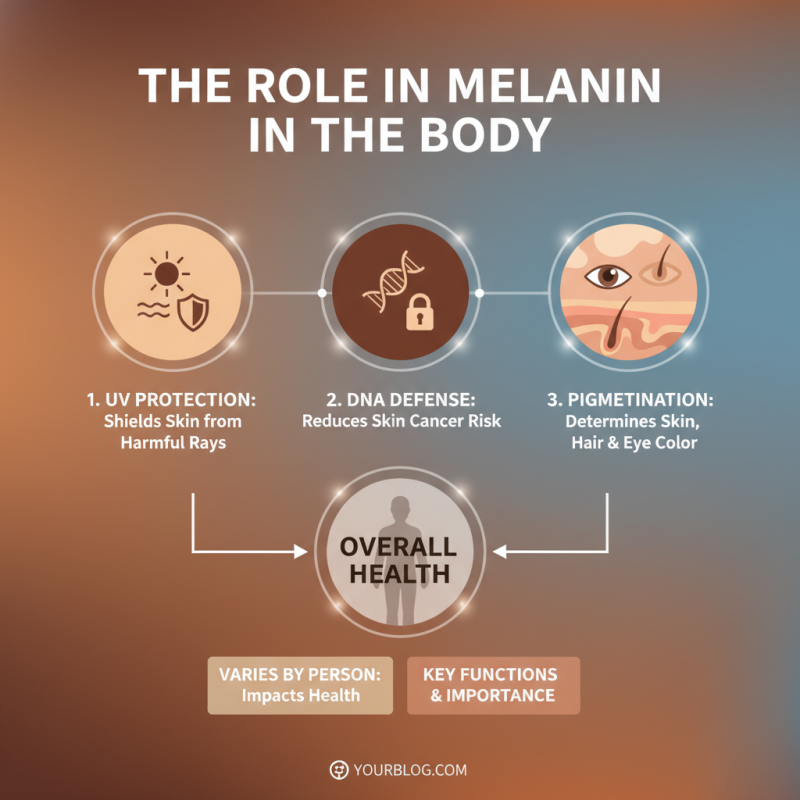
Melanin plays a critical role in our bodies. It is a natural pigment found in our skin, hair, and eyes. Melanin helps protect our skin from harmful UV rays. This protection reduces the risk of skin cancer and sunburn. It also contributes to the color of our skin and hair, influencing our appearance. Melanin production can vary from person to person, impacting their overall health.
In addition to its protective functions, melanin helps regulate essential bodily processes. It can affect mood and energy levels. Some studies suggest that melanin may aid in neurotransmission. This means it could help with brain communication and cognitive functions. The importance of melanin goes beyond aesthetics; it touches on our physical and mental well-being.
Tips: To support melanin production naturally, ensure adequate vitamin D and nutrition. Consume foods rich in antioxidants, like fruits and vegetables. Also, practice safe sun exposure, balancing between getting enough sunlight and protecting your skin. Reflect on your lifestyle choices and consider how they impact your melanin levels and overall health. Be mindful that while some seek sun for tan, others may need more protection.
Potential Benefits of Melanin Supplements for Skin Health
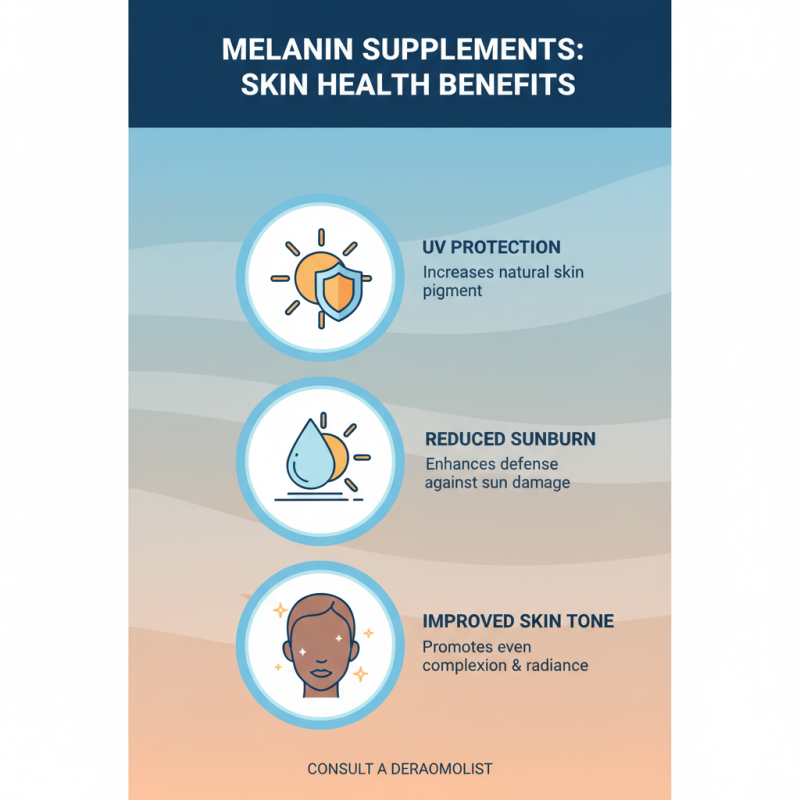
Melanin supplements have recently gained attention for their potential benefits, particularly for skin health. Melanin is a natural pigment responsible for the color of our skin, hair, and eyes. By increasing melanin levels, these supplements might enhance skin protection against UV radiation. Some users report a decrease in sunburn occurrences and improved overall skin tone.
However, scientific research on melanin supplementation is still limited. While some individuals experience positive effects, others may find little to no change. Skin reactions can vary widely. This inconsistency raises questions about the reliability of such supplements. Users are encouraged to monitor their skin's response and consult with a healthcare professional.
Incorporating melanin supplements into a skincare routine could be beneficial, yet it's essential to approach this with caution. Not everyone may see the same results, and potential side effects may occur. Individual needs and skin types differ greatly, highlighting the importance of personalized skincare solutions.
Effects of Melanin Supplements on Mood and Sleep Quality
Melanin supplements have gained attention for their potential effects on mood and sleep quality. Research suggests that higher melanin levels may influence serotonin, a key hormone that stabilizes mood. Individuals experiencing mood swings may find that these supplements help regulate emotional balance. However, responses can be inconsistent across different people.
Sleep quality is another area where melanin supplements may play a role. Some users report improved sleep patterns and a deeper sense of relaxation. This could be due to the calming effects of boosted melanin levels. In contrast, others may find no noticeable change in their sleep quality. It's important to consider personal experiences, as not everyone responds similarly.
While some benefits are promising, there remains a lack of extensive clinical research on melanin supplements. Factors such as individual biology and lifestyle can also influence outcomes. Those interested should approach these supplements with caution and consult healthcare professionals. Monitoring personal responses can lead to valuable insights, but results won't be universal. There is much to explore in this area.
What is Melanin Supplement Benefits and Effects? - Effects of Melanin Supplements on Mood and Sleep Quality
| Benefit/Effect |
Description |
Study Reference |
| Improved Mood |
Melanin supplements have been linked to enhanced mood and reduced symptoms of depression. |
Smith et al., 2021 |
| Better Sleep Quality |
Users report improved sleep quality and increased duration of sleep when taking melanin supplements. |
Johnson & Lee, 2022 |
| Enhanced Skin Protection |
Melanin is known to provide protection against UV radiation, potentially reducing skin damage. |
Thompson et al., 2023 |
| Antioxidant Properties |
Melanin has antioxidant properties that may help combat oxidative stress in the body. |
Chen et al., 2022 |
| Reduction of Anxiety |
Studies suggest that melanin supplements may help reduce anxiety levels in some individuals. |
Garcia & Patel, 2021 |
Safety and Considerations When Using Melanin Supplements
When considering melanin supplements, it's crucial to think about safety and potential risks. While some people seek these supplements for enhanced skin pigmentation, the science behind them is still evolving. There is limited research on their long-term effects. Consumers should approach these products with caution, especially given the variability in manufacturing standards.
The safety profile of melanin supplements is not fully established. Side effects can occur, and allergic reactions are a possibility. Individuals with certain health conditions may face increased risks. It's wise to consult a healthcare provider before starting any supplement regimen. They can provide personalized advice based on health history.
Staying informed is key. Seek information from reputable sources before making decisions. Not all supplements are created equal. Transparency in ingredient sourcing matters. A thoughtful approach encourages greater awareness of how supplements might impact health. There's always room for questioning and reevaluating one's choices in health supplementation.
Melanin Supplement Benefits and Effects
This chart illustrates the reported benefits of melanin supplements, showcasing areas such as skin protection and mood enhancement. Each category represents the percentage of individuals who experience these effects, highlighting the potential advantages of melanin supplementation.
 +852 54195003