Top 10 Supplements For Hair Growth That Actually Work?
Hair growth can often feel like an uphill battle. Many people face thinning hair or bald spots at some point in their lives. Fortunately, there are several solutions available. A well-researched supplement for hair growth can be a game-changer. These products claim to boost hair health and stimulate new growth.
The right supplements provide vital nutrients. Vitamins and minerals like biotin, zinc, and iron contribute to stronger hair. They target the roots and promote better circulation. It’s important to remember that not all products deliver results. Some might promise quick fixes, but effectiveness varies widely.
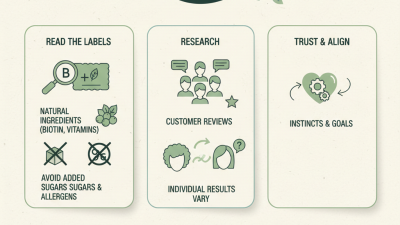
Quality matters when choosing a supplement for hair growth. Look for reputable brands with scientific backing. Reviews from real users can guide you. However, results are not guaranteed for everyone. Understanding individual needs is crucial. Experimentation may be necessary before finding the perfect match. Ultimately, taking steps to nourish your hair is essential.

Understanding Hair Growth: The Basics of Hair Follicles and Growth Cycles
Understanding hair growth is essential for anyone looking to improve their hair health. Hair follicles play a crucial role. Each follicle operates in its growth cycle, which includes three main phases: anagen, catagen, and telogen. The anagen phase is when hair grows actively. This phase can last several years. The length of this phase varies from person to person.
During the catagen phase, hair growth slows down. This transitional stage lasts only a few weeks. Finally, the telogen phase is when hair rests. This is about three months before hair falls out and new hair begins its growth cycle. This cycle can repeat multiple times throughout a person’s life.
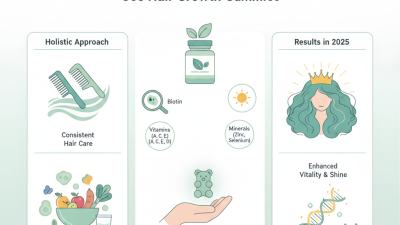
**Tip:** Maintain a balanced diet rich in essential nutrients. Vitamins A, C, D, and E are vital for healthy hair. Incorporate foods like leafy greens, nuts, and seeds into your meals.
Another suggestion is to be mindful of your hair care routine. Over-styling or using harsh products can damage hair follicles. Instead, opt for gentle cleansing and limit heat exposure. Hydrating your hair is equally important, so consider using natural oils.
**Tip:** Manage your stress levels. Chronic stress can disrupt the hair growth cycle, leading to hair loss. Simple practices like meditation or yoga can help maintain balance.
Top 10 Supplements For Hair Growth That Actually Work
| Supplement |
Main Ingredient |
Primary Benefit |
Recommended Dosage |
Research Support |
| Biotin |
Vitamin B7 |
Promotes hair strength and follicle health |
30-100 mcg per day |
Moderate |
| Vitamin D |
Calciferol |
Stimulates new hair follicle growth |
600-800 IU per day |
Strong |
| Zinc |
Mineral |
Supports hair tissue growth and repair |
8-11 mg per day |
Moderate |
| Iron |
Mineral |
Improves oxygen delivery to hair follicles |
18 mg for women, 8 mg for men |
Moderate |
| Omega-3 Fatty Acids |
Fatty Acids |
Promotes a healthy scalp |
1-3 g per day |
Moderate |
| Saw Palmetto |
Plant Extract |
May block testosterone linked to hair loss |
160 mg per day |
Moderate |
| Collagen |
Protein |
Promotes hair elasticity and strength |
2.5-15 g per day |
Moderate |
| Ginseng |
Herbal Extract |
Stimulates hair growth |
200-400 mg per day |
Moderate |
| Folic Acid |
Vitamin B9 |
Supports DNA synthesis for cell growth |
400 mcg per day |
Moderate |
Essential Nutrients for Healthy Hair: Vitamins and Minerals Explained
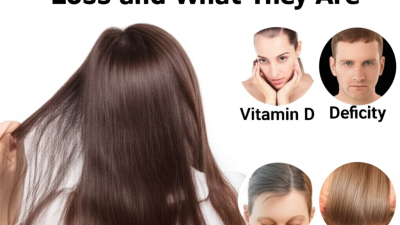
Healthy hair relies on essential nutrients, particularly vitamins and minerals. Vitamins like biotin, vitamin D, and vitamin E play crucial roles. Biotin supports keratin production, a key protein in hair strands. Vitamin D helps create new hair follicles. Meanwhile, vitamin E works as an antioxidant, promoting a healthy scalp.
Minerals are equally important. Iron carries oxygen to hair follicles, nourishing them. Zinc contributes to hair tissue growth and repair. A deficiency in these minerals can lead to hair thinning and loss. It’s surprising how many people overlook these nutrients.
Introducing these vital components into your diet may require changes. Consider incorporating leafy greens, nuts, and seeds. However, a diet alone might not suffice for everyone. Some individuals might struggle to absorb these nutrients effectively. It’s essential to listen to your body and consult professionals if necessary. Balancing your nutrients improves not just hair health but overall well-being.
Top 10 Effective Supplements for Encouraging Hair Growth
When it comes to supporting hair growth, several supplements stand out. Biotin is often recognized for boosting hair strength. It plays a crucial role in keratin production, which is vital for healthy hair. Many people report improvements after consistent use of biotin supplements, even if results can vary.
Vitamin D is another essential nutrient. It helps create new hair follicles, which can lead to fuller hair. A deficiency may lead to thinning hair, making supplementation beneficial. Zinc also deserves attention; it supports hair tissue growth. Many studies suggest that zinc levels can impact hair loss.
While these supplements can offer benefits, individual results may differ. Some may find they do not experience significant changes. It's essential to combine these supplements with a balanced diet and proper hair care practices. Focusing on holistic health can often yield the best outcomes for hair growth.
Top 10 Supplements For Hair Growth
The chart above displays the effectiveness scores of the top 10 supplements for promoting hair growth. These scores range from 1 to 10, indicating the relative impact these supplements have shown based on various studies and anecdotal evidence.
How to Choose the Right Supplement for Your Hair Type and Needs
Choosing the right supplement for hair growth can be a daunting task. Different types of hair require different nutrients. Your hair type may be dry, oily, or normal, affecting your supplement needs. For instance, if your hair is thin, consider supplements rich in biotin, known for strengthening hair. Conversely, if you have a dry scalp, look for those high in omega-3 fatty acids.
Assessing your lifestyle is crucial. A balanced diet plays an essential role. Supplements can help, but they are not a substitute for healthy eating. A diverse intake of vitamins, minerals, and proteins is vital. Reflect on your daily habits. Do you consume enough iron or zinc? These minerals support healthy hair growth. You might find that tapping into natural sources can complement supplement use effectively.
Taking hair supplements involves trial and error. What works for one person may not work for another. Keep a journal to track your hair's response. This can guide your choices. Remember, consistency is key. Don't expect overnight results. It might take weeks or months to see changes. Be patient and evaluate your needs regularly for the best outcomes.
Potential Side Effects and Considerations of Hair Growth Supplements
When considering hair growth supplements, it’s important to understand their potential side effects. Many users report mild reactions, such as digestive issues or skin irritation. Some ingredients can cause allergic reactions in sensitive individuals. This highlights the need for caution before starting any supplement regimen.
Tips: Always consult a healthcare professional before trying new supplements. Understanding your unique health profile is vital. Listen to your body. If you notice unexpected symptoms, stop usage immediately.
Another consideration is the lack of regulation in the supplement industry. Supplements often lack rigorous testing compared to medications. This can lead to inconsistencies in ingredient quality and effectiveness. Research brands thoroughly.
Tips: Reading user reviews can provide insight into product safety. Keeping track of any side effects you experience may be beneficial. Consider dosage carefully; more doesn’t always mean better.
 +852 54195003