 +852 54195003








How Much Does It Cost to Launch a Supplement Brand in 2026?
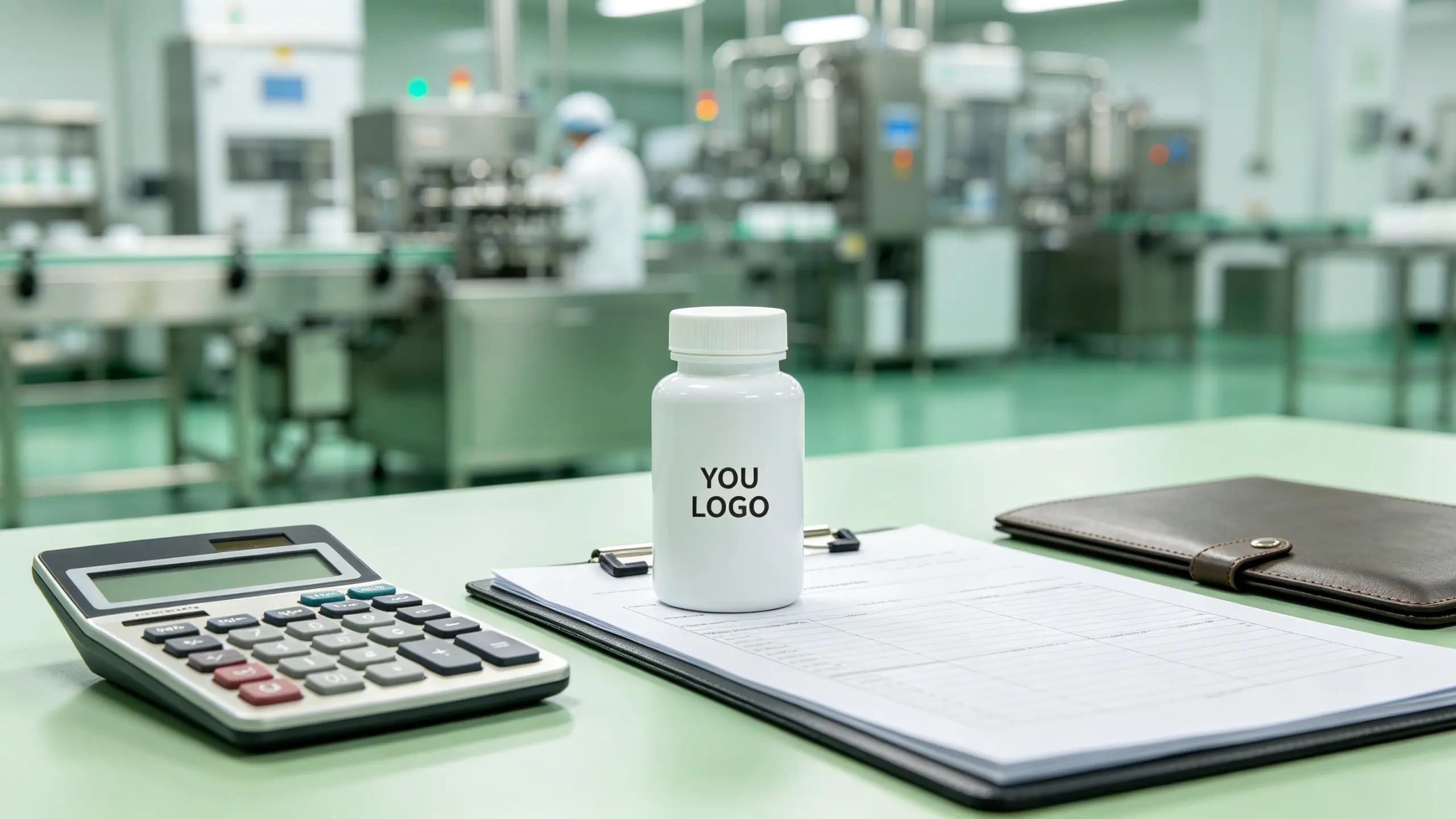
If you’re planning to start your own supplement brand, one of the first and most important questions you’ll ask is: how much does it cost to launch a supplement brand? For new entrepreneurs and small Amazon sellers, unclear pricing and hidden costs are one of the biggest reasons for startup failure: 45% of new supplement brands shut down within their first year due to budget overruns and unexpected expenses, according to the 2026 Supplement Industry Association (SIA) Startup Report.
description2
Core Cost Components of Launching a Supplement Brand
Before you set your budget, it’s critical to understand all the cost categories involved, so you don’t get hit with unexpected fees mid-launch
1. FORMULA DEVELOPMENT COST
Your formula is the foundation of your product, and it’s one of the biggest variables in your launch cost:
2. Manufacturing & Production Cost
This is the cost of actually producing your product, and it scales with your order size:
3. Packaging & Labeling Cost
4. Compliance & Certification Cost
Cutting corners on compliance will cost you far more in the long run (think Amazon account suspensions, FDA recalls, or legal liability). Plan for these costs upfront:
5. Launch & Operating Cost
Don’t forget the costs of actually getting your product to market:
Realistic Budget Ranges for 2026
Based on current industry data, here are three realistic launch budgets for different brand goals:
1. Low-Budget Test Launch ($3,000 – $6,000 total)
2. Mid-Range Brand Launch ($8,000 – $15,000 total)
3. Premium Brand Launch ($20,000+)
Hidden Costs to Avoid (Common New Brand Pitfalls)
42% of new brands go over budget by 30% or more due to unplanned fees.[1] Watch out for these common hidden costs:
1. Hidden setup fees: Some manufacturers advertise low per-unit prices but charge separate formula fees, setup fees, or compliance fees that add 20-30% to your total cost. Always ask for an all-inclusive quote upfront.
2. Rework and reformulation fees: If your formula or label doesn’t meet compliance standards, you’ll pay extra to fix it. Working with an experienced manufacturer that guarantees compliance eliminates this risk.
3. Shipping and warehousing: Shipping costs can add 10-20% to your total budget, and long-term warehousing fees can eat into profits if your inventory doesn’t sell as fast as expected.
4. Amazon PPC costs: Many new brands underestimate advertising costs, which typically account for 15-30% of revenue for supplement categories on Amazon.
How to Reduce Your Launch Cost Without Sacrificing Quality
You don’t have to cut corners on quality or compliance to launch on a budget. Follow these tips to keep costs under control:
1. Start with a pre-formulated base: Skip the expensive custom formula for your first launch. Proven pre-formulas are just as effective, cost far less, and launch 2-3x faster.
2. Start small, then scale: Launch with a low MOQ order to validate demand, then increase order sizes once you have proven sales and reviews. This eliminates the risk of being stuck with thousands of dollars in unsold inventory.
3. Work with a turnkey manufacturer: A full-service turnkey manufacturer includes formula development, packaging design, compliance, and even warehousing in one all-inclusive price, which is far cheaper than hiring separate vendors for each step. Learn more about our turnkey supplement manufacturing service for startup brands.
4. Launch with 1-2 SKU first: Don’t try to launch a full product line on your first try. Focus on 1-2 core SKU, get them right, then expand your catalog as you generate revenue.
5. Bundle similar formulas: If you want multiple SKU, use the same base formula with minor variations (different flavors, different bottle sizes) to reduce setup costs and per-unit pricing.
Plan Your Budget & Launch Your Brand Confidently
Launching a supplement brand doesn’t require a six-figure budget. By understanding all the cost components, avoiding hidden fees, and partnering with a transparent, experienced manufacturer, you can launch a high-quality, compliant brand with a realistic budget—and avoid the costly mistakes that cause most new brands to fail.
Contact our team today for a free, no-obligation custom quote for your supplement brand launch. We offer transparent all-inclusive pricing, low MOQ options, and full turnkey support to help you launch your brand in as little as 2 weeks.
---
† These statements have not been evaluated by the Food and Drug Administration. These products are not intended to diagnose, treat, cure, or prevent any disease.
References:
1. Supplement Industry Association. 2026 Supplement Brand Startup Cost & Failure Benchmark Report. Published February 2026.
2. Nutrition Business Journal. 2026 Supplement Industry Startup Trends Report. Published January 2026.
3. Amazon Seller Central. Dietary Supplement Category Launch Cost Guide. Updated March 2026.
description2